


Why Family Councils Matter for Long-Term Success in Family Business
An Interview with Cristina Carvajal, Chair of the Carvajal Family Council
by Dr. Christian Bühring-Uhle & Alexandra Jequier
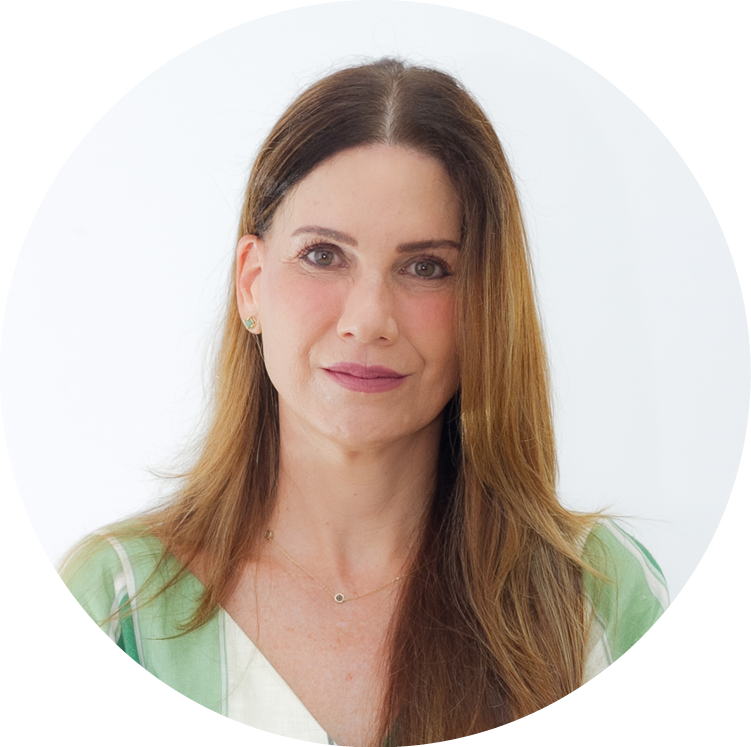
As a member of the fourth generation of Carvajal S.A. family business, headquartered in Cali, Colombia, Cristina Cavajal possesses an intimate understanding of the unique challenges and opportunities of managing multigenerational enterprises. Cristina is a passionate leader with extensive experience in family business dynamics, social impact, and organizational leadership. Her professional insight is grounded in her family’s rich legacy, which now spans six generations.
She has been an active member of the Carvajal Family Council for over a decade, serving as Chair since 2020, and has driven strategic initiatives to strengthen family cohesion and business continuity. Between 2019 and 2024, she also served as the commercial representative for the Family Business Network (FBN) in Cali, the Eje Cafetero (Colombia’s Coffee Region), and Guatemala, enhancing regional collaboration and fostering business development. She has been a speaker for both FBN Colombia and FBN Ecuador.
Previously, from 2013 to 2019, Cristina served as the Founder and Executive Director of the FBN chapter in Ecuador, where she fostered collaboration and growth among family enterprises. Simultaneously, she led impactful efforts as Director of Fundación Corazones Valientes in Quito, enabling low-income children with cancer to access life-saving treatments.
What is the purpose of the Family council and when does it make sense to have one?
Our Family Council started over 25 years ago with a family protocol. The purpose of the Family Council is to keep the family united, to strengthen family cohesion and define common values.
The right moment to create the Family Council differs for every family, but it can be beneficial to start the Family Council in the second generation when kids are grown up and in-laws start to come in. This is when you start having different family conversations: the third-generation members are born, and you have new questions such as who will pay for the education for the kids and if they will be allowed to work in the family business or not.
When kids grow and some work in the Family Business while others do not, the communication changes and people start getting different kinds of information.
When family conversations are getting in the way of the business, it is usually a good time to have a different space for family conversations and business conversations. The conversations may lead to a Family Council and the definition of boundaries.
How do you see the next generation being introduced to these structures at an early age?
You can start making the kids fall in love with the family business in a positive way very early on. Often, families wait a little too long. If you start telling the next generations about the family business when they are 18 years old, you have lost many years.
We are pro-active in developing the Carvajal heart so the members of the family fall in love with the company and learn about family values when they are young children: kids receive gifts when they are born, a bag when they go to school, a book on family values, we also ensure the Next Gen feel they must get along with their cousins. We did a family album, like the Panini soccer albums. Family members receive an empty book displaying the different generations and they must stick the picture of each person in the album. This allows our family members to recognize each other as we are a large family, and it is difficult to know everybody.
Family Councils are becoming more and more popular, they can start with family assemblies, organizing company visits in the Family Business, sharing the vision of the first generation and what they imagine the family will be in future generations.
How do you describe the role of the Family Council Chair?
A good chair must have credibility within the family. A good chair knows the family, understands what the family really wants, what is best for the family – and is objective enough to take the right decisions. The chair must be extremely committed, dedicated and passionate about the family, the business, and his or her role as Chair.
Availability, transparency, credibility and being able in the end to take and implement decisions, is key. A Family Council Chair must also be someone who can be trusted and who has the courage to have difficult conversations. Being rational, addressing all conversations and making sure you listen to all sides of the story is key. A good chair includes family comments in the meetings so that family members know they have been listened to. A Family Chair should be a good executive, a good mediator and be available: I am fully dedicated and available 24/7 although it is not a full-time job.
It has helped me a lot to really see where people stand and where their feelings are coming from. We have 342 family members, and they are comfortable speaking up and talking about big issues with me. I do not have the dominant voice of my predecessors, but this has been an asset because people feel safe speaking with me. It is a different kind of leadership that makes the family feel comfortable.
What is the ideal composition of the Family Council and how to best organize it to fulfil its purpose?
The composition frequently starts with family branches. It is easy to have one representative for each branch, but it is not enough. Time commitment is crucial. The members must attend the meetings and be willing to contribute to implementing the decisions.
It is also important to have a good balance of genders, generations, views of family members – also of the ones who may live abroad. Since we are a big family, we have a hybrid system: we kept the representatives of the branches, and we also have four people elected for merit. They need to fulfil the following requirements: be 25 years old, have a university degree, have sufficient time to dedicate and be willing to study and develop their knowledge of family businesses and how they operate. We want the best, like in the Board of Directors of the company.
As time goes by the structure becomes more advanced. The Family Council becomes the Board of Directors of the family. We have a finance committee; a risk committee and we plan for the next 20 years. We take care of questions such as for example: what will the family say to the media regarding certain issues? This is of course aligned with the business. One term of a Council Member is four years. When there is an opening, we announce it, people can apply and then we vote.
In March we decided to invite in-laws to participate in the Family Council. We need to have the in-laws committed to raise kids with the Carvajal heart and values so they should participate, collaborate and bring different perspectives to the table.
We also have a secretary and an overseer. The secretary is also the head of the Family Office, we have a regular Family Office that invests (the investment fund) and we have a Family Office that takes care of the social dividend. The overseer is not a family member but someone who knows the family very well. It has usually been someone who has worked in the family business for over 25 years. The role of the overseer is to have a helicopter view, be objective, look at the continuity in the family, ensure that things are going in the right direction and put us back on track if needed. It must be someone with sensibility, intelligence, and who will share their wisdom with us. Overseers do not have a term, but our new rule stipulates that they should step down at 72. The whole Family Council has the power to appoint the new overseer, then the Family Council Chair and the current overseer will invite the new overseer.
What best practices of the Family Council can you share?
First, it is essential to think about the future. Have a long-term vision, such as twenty years, and do not only think about what is happening now. Ensuring a proper Chair succession is also important. I was appointed a week before I had to take over, which was challenging, so I have been preparing the next Chair for over a year already. You should also have an overseer to ensure continuity. When the Family Council Chair is replaced, ensuring continuity with what the last Chair was doing is very important. Although this is not typical, I believe the Family Council Chair should be paid since it is a big responsibility and they represent the whole family.
It is important to have a budget for the Family Council. Our budget comes from the investment fund, not from the business. It can be costly, for example, if you cover travel costs for family members to come to the assembly, or if you adequately pay the Family Council Chair.
Communication is key: the family must be the first to know what happens in the business. Another big point is the education of good shareholders: have a calendar with all education programs, networking meetings, and so on, making sure the next generation gets the education needed to continue the legacy. Agreements are also key, such as the family protocol and shareholders’ agreements.
Strategy must be separated from execution. You need an operating team for execution so that the Council has time for strategy. If a rule needs to be updated, change it but do not make any exceptions. Finally, listen to your “red flag people.” There are usually people who make a lot of noise and sometimes even complications. Take them seriously – they may have a point.
How is the communication between the Chair of the Family Council and the Business?
If we have a family member as CEO, the chair of the Board of Directors is non-family. If we have a non-family CEO, the Board chair is a family member. When dealing with the Family business, the Family Council Chair primarily interacts with the leading family member in the Business, which can be the CEO or the Board Chair.
Today, I am in contact with our family CEO. First, we discuss the sensitive information and then I bring it up with the Family Council and we decide what to do. In March and November, we have a shareholders’ assembly and a family assembly. If we see that there will be developments affecting the family, we call for a separate family information meeting and we make sure the family is the first to know what is happening with the business.
If the CEO needs to be contacted by the family, I do it. Even his brothers and sisters do not contact him directly, we are extremely disciplined and respectful since we know we are a large number.
You mentioned the social dividend earlier. Can you tell us about how your family approaches it?
The social dividend was created 30 years ago because we wanted to ensure minimum standards of living for the whole family. In a family with over 346 members, some people do well and some do not. This was suggested by an aunt who saw a cousin having a difficult time ensuring a normal standard of living and paying for education for his kids.
We pay for education, healthcare of all family members on a continuous basis and one-time for housing: When there is a new baby or in-law in the family, they immediately enter the health plan, and this is covered 100%. In terms of education, we pay for pre-school, and we pay 70% of tuition of school and university. We also have a fund where we lend money for a master’s degree to cover, e.g., for Harvard. Family members have a grace period, and they pay back in 5 years without interest. We also have some apartments for leisure that all the family can use.
What is your secret for a harmonious family?
Inclusion, everyone is welcome, and everyone is part of the family, not only the shareholding family: in-laws, adopted children, children from previous marriages, this regardless of religion, sexual orientation – we have same-sex marriages. We are very inclusive.
Did you get help from external advisors in the process?
I have a coach, and it is required for the Family Council Chair to undergo a leadership coaching for the full four-year term. Every time we do a strategic planning exercise for the Family Council; we use external advisors. We also use external advisors for the yearly evaluation of the Family Council Chair and every two years for the whole Council.
Is there anything else you would like to share for other Family Council Chairs as a final thought?
You are taking care of the family business for the next generations, so be proactive: families tend to think about the “now” and how the family is today and not thinking about the family in 10-20 years, and they should do this the same way the business does. So, project now and start working on the long-term family goals. It takes lots of time and hard work to build a strong family governance but it is worth it: it ensures the continuity of the business.